


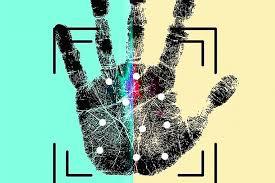
The evolution of identity management has reached a pivotal point where traditional methods are no longer sufficient to protect against modern cyber threats. The palm vein scanner market is responding to this challenge by providing a three-dimensional biometric verification method that is both highly secure and user-friendly. One of the primary advantages of this technology is its high tolerance for various physical conditions; for instance, the vein pattern remains stable throughout an adult's life and is not affected by external factors like dirt or moisture on the skin. This robustness makes it an ideal solution for industrial settings where workers' hands might be calloused or soiled, situations where fingerprint scanners often fail. Moreover, the psychological comfort of not having to touch a public surface is driving adoption in high-traffic areas like airports and university campuses. As the technology matures, the cost of implementation is decreasing, making it a viable option for a broader range of applications beyond just high-security government facilities.
Furthermore, the rise of digital banking and fintech is creating a massive requirement for secure customer onboarding and transaction verification. Palm vein biometrics are being integrated into ATMs and point-of-sale terminals to provide a "cardless" experience that is both fast and secure. This shift not only enhances the user experience but also significantly reduces the costs associated with card fraud and administrative overhead for banks. Looking forward, the integration of cloud-based biometric platforms will allow for centralized management of identity data, facilitating smoother cross-border travel and global security coordination. The industry is also seeing a move toward sustainable manufacturing, with companies seeking eco-friendly materials for scanner casings and energy-efficient internal components. To understand the underlying drivers and the competitive forces at play, exploring the Palm Vein Scanner Market growth is essential for anyone looking to capitalize on the next wave of biometric innovation and security infrastructure development.
Frequently Asked Questions
-
Is palm vein scanning safe for the skin? Yes, the near-infrared light used is at a very low intensity, similar to the light used in remote controls, and is completely harmless to human tissue and blood.
-
How fast is the authentication process? Most modern palm vein scanners can verify an individual’s identity in less than a second, making it one of the fastest biometric methods available today.
➤➤➤Explore MRFR’s Related Ongoing Coverage In Semiconductor Industry:
India Building Automation System Market
Germany Building Automation System Market
Canada Building Automation System Market
Brazil Building Automation System Market


 Indonesia
 English
 Arabic
 French
 Spanish
 Portuguese
 Deutsch
 Dutch
Dutch
 Italiano
 Russian
 Romaian
 Portuguese (Brazil)
 Greek
Greek